 +
+
Restoring Meeting Room Control After Surface Hub Limitations
For this North America–based organisation in the power and energy sector, the issue with their meeting rooms wasn’t that the technology had been rushed in or poorly deployed. In fact, at one point, their Surface Hub devices represented a premium, all-in-one collaboration solution. The problem was what happened next.
Over time, the functionality of those devices began to change not through wear and tear, but through removal. Features that users had come to rely on were gradually taken away, and with each change, the experience in the room became a little more restricted, a little less intuitive.
Our main issue concerning the Surface Hubs was that Microsoft was continually removing functionality from them.
Amy Howard | IT at Jackson EMC
What this meant in practice was a steady erosion of usability. Wireless sharing via Miracast disappeared. Browser access was no longer available. Accessing OneDrive files became tied to being inside a Teams meeting. Then for something as simple as an impromptu meeting, users were forced back into using HDMI cables just to share content.
Individually, each of these changes might have seemed manageable. Together, they fundamentally altered how the rooms could be used.
The technology no longer supported natural working behaviours. Instead, it imposed constraints.
Users who once expected a simple, touch-enabled collaboration experience found themselves navigating limitations and workarounds. Meetings that should have started instantly required extra steps. Spontaneous collaboration became awkward. And gradually, frustration began to build.
“The Surface Hubs became pretty useless, and users voiced this frustration often.”
What made the situation more difficult was that these limitations didn’t present themselves in a clean, consistent way. Some rooms worked within certain scenarios, particularly if everything was run through Teams. Others required cables or prior knowledge. The experience depended less on user intent and more on what the device would allow at that moment.
Over time, this unpredictability started to shape behaviour. People adapted, but not in a way that improved productivity. They defaulted to the safest option, even if it wasn’t the most efficient. Simple tasks became overly structured. And IT found themselves dealing with the same frustrations repeatedly, without a clear way to resolve the root cause.
The real turning point came when those limitations became permanent. First-generation Surface Hubs could not upgrade to Windows 11, effectively closing the door on their future use. At the same time, the wider market had evolved. More flexible, cost-effective alternatives were now available, making it increasingly difficult to justify continuing with the existing setup.
“It just didn’t make sense to continue using the Surface Hubs.”
At that moment, the organisation faced a familiar decision: replace the hardware and move on. But instead of jumping straight into another large-scale rollout, they paused to reconsider what had actually gone wrong.
The issue wasn’t just that the devices had reached their limit. It was that the organisation had lost control over the experience those devices delivered.
So rather than starting with hardware, they started with the experience itself.
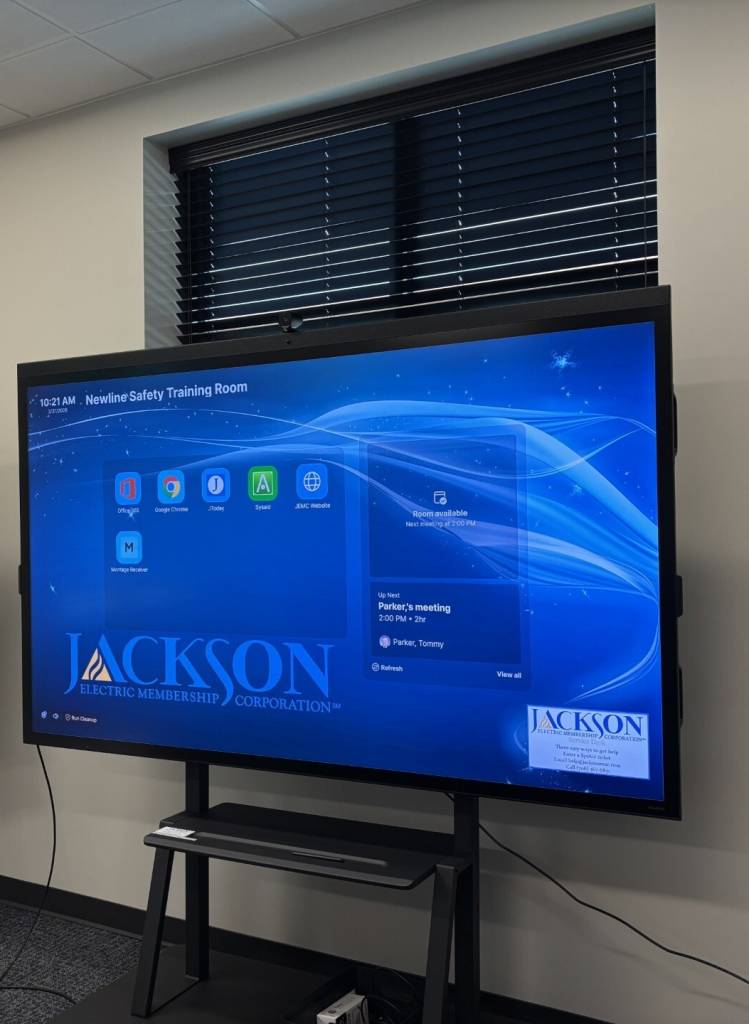
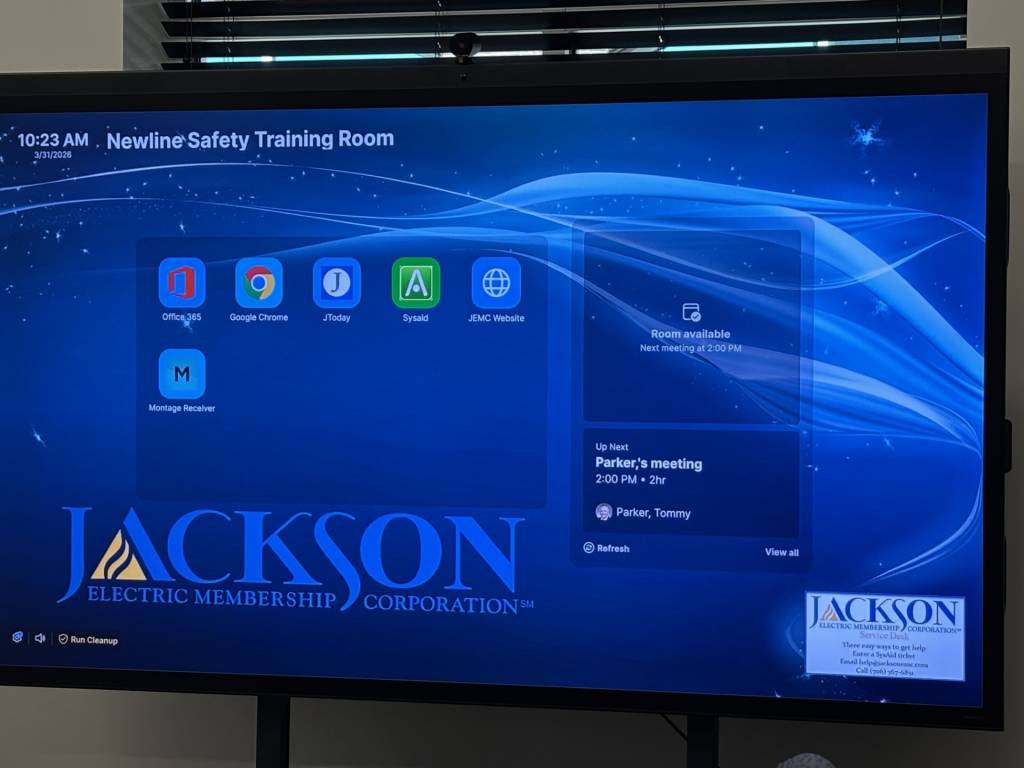
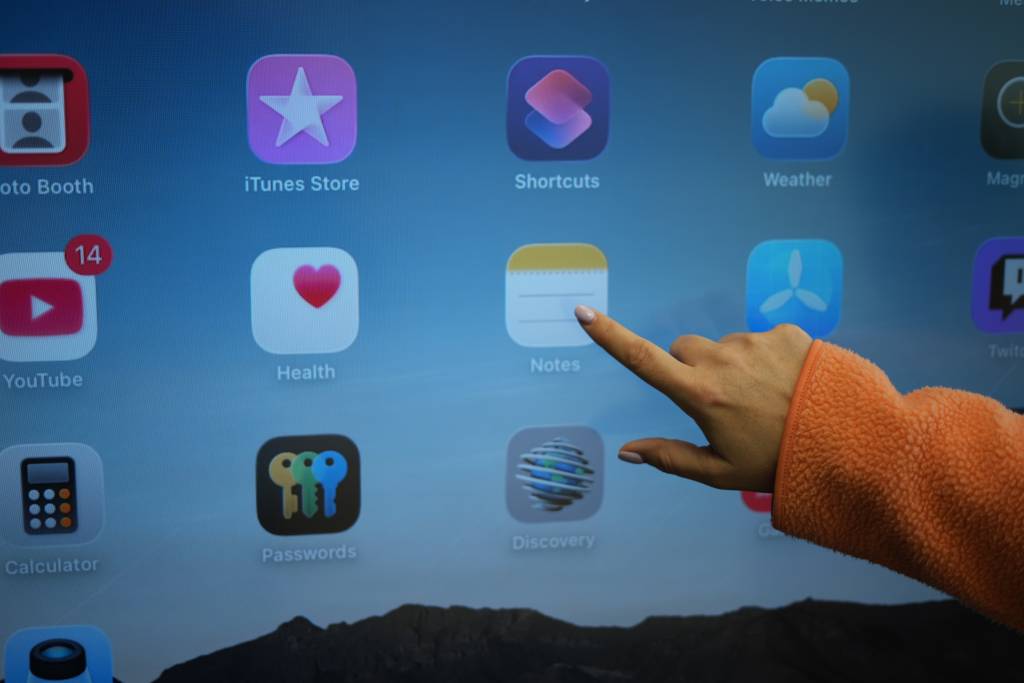
By introducing Newline Launcher into selected spaces, the focus shifted from what the device could or couldn’t do, to what users needed when they walked into a room. The aim was to remove dependency on vendor-imposed limitations and create a consistent, intuitive interface across the estate.
Even now at early stages, the shift is very noticeable.
For IT, one of the most immediate changes is the ability to shape the experience directly.
Complete flexibility to customise an end user experience that works best for any given group. Everything that the end users need can be put right on the screen for them for easy access. That control has been missing for years.
Instead of forcing users to adapt to the constraints of the surface hub hardware, the rooms can now be configured around how people actually work. The reliance on cables has reduced, access to key tools has become more direct, and the variability between rooms is disappearing.
While the rollout is still in its early stages, the direction is already clear. IT is moving away from constant workarounds and reactive support, and towards a more structured, scalable environment where the experience is consistent and intentional.
What Jackson EMC has recognised and what many others are now beginning to face is that collaboration challenges don’t always come from outdated technology. Sometimes, they come from technology that changes in ways you can’t control. When this happens, the real risk isn’t just technical. It’s experiential.
By stepping back and focusing on usability, flexibility, and consistency, Jackson EMC have now began rebuilding something that had been quietly lost over time: confidence in the room.





Want to stay in the loop?
Keep up-to-date with everything DisplayNote – including new releases, job openings, and customer giveaways.
You are currently unable to join our mailing list - if you would like to get in touch please check out our contact page.
Don’t worry, we’ll not spam you and we’ll never share your email with anyone